How Weather Conditions Affect Asphalt Cracks and Potholes
People seeking asphalt cracks and pothole repair aim to fix damage caused by weather-related expansion and contraction, with local contractors ready to restore pavement quality.
Understanding how weather conditions affect asphalt cracks and potholes is essential for property owners seeking to maintain safe and durable pavements. Fluctuations in temperature, moisture levels, and seasonal changes can accelerate the deterioration of asphalt surfaces, leading to cracks that can develop into larger potholes if left unaddressed. Recognizing these weather-related impacts helps property owners plan timely repairs and prevent more extensive damage, saving money and ensuring the safety of pedestrians and vehicles alike.
For those managing asphalt surfaces in the area, connecting with experienced local contractors who specialize in asphalt repairs can make a significant difference. These service providers understand how weather conditions influence asphalt health and can recommend appropriate maintenance strategies or repairs tailored to local climate patterns. Exploring options for asphalt crack and pothole repair ensures that property owners can keep their surfaces in top condition, regardless of seasonal challenges.
- Asphalt crack repair - homeowners noticing increased cracking after temperature fluctuations can rely on local contractors to assess and seal cracks effectively.
- Pothole repair - when potholes form or worsen due to freeze-thaw cycles, service providers can quickly fill and restore pavement integrity.
- Asphalt crack sealing - in areas experiencing seasonal weather changes, local pros use specialized sealants to prevent water infiltration and further damage.
- Pothole patching - during periods of heavy rain or snowmelt, contractors address emerging potholes to prevent safety hazards and pavement deterioration.
- Weather-related asphalt maintenance - local service providers evaluate how weather impacts asphalt and recommend timely repairs to extend pavement lifespan.
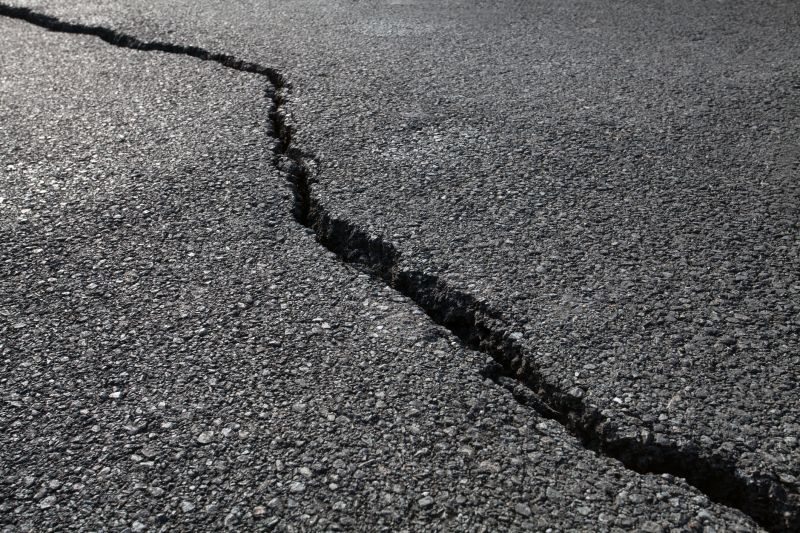
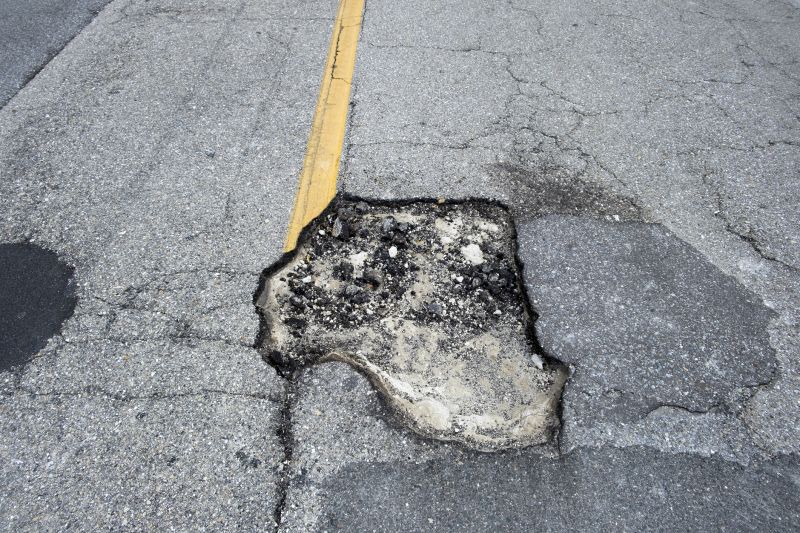
Understanding how weather conditions affect asphalt cracks and potholes is essential for homeowners looking to maintain and repair their driveways or parking areas. When searching this topic, most people are interested in how seasonal changes, temperature fluctuations, and moisture levels contribute to the deterioration of asphalt surfaces. They want to know why cracks and potholes develop over time and what factors accelerate their formation. Recognizing the impact of weather helps homeowners plan better maintenance strategies and understand the importance of timely repairs to prevent minor issues from becoming costly problems.
This topic often relates to property owners who are planning repairs or seeking to prevent further damage. Asphalt cracks and potholes can compromise the safety and appearance of a property, especially in areas with heavy vehicle traffic or frequent use. Homeowners may be concerned about how upcoming weather patterns could worsen existing damage or cause new issues. For those managing commercial properties, parking lots and driveways are critical assets that require ongoing attention. Local contractors specializing in asphalt repair can evaluate how weather influences surface deterioration and recommend appropriate fixes, including crack sealing or pothole patching, to extend the lifespan of the asphalt.
Properties that typically come into focus when discussing how weather conditions affect asphalt include residential driveways, commercial parking lots, and public roadways. These surfaces are directly exposed to the elements and are vulnerable to weather-related stress. For example, freeze-thaw cycles are known to cause significant damage in colder climates, as water seeps into small cracks, freezes, expands, and widens the damage. Similarly, hot weather can soften asphalt, making it more susceptible to deformation and cracking under weight or traffic. Understanding these property types and their exposure helps homeowners and property managers anticipate the need for repairs and work with service providers who can address weather-related issues effectively.
Local asphalt repair service providers play a vital role in addressing how weather conditions affect asphalt cracks and potholes. They bring expertise in assessing the extent of damage caused by specific weather patterns and applying appropriate repair techniques. Whether it’s sealing cracks before winter or patching potholes after heavy rains, these professionals help property owners maintain safe and durable surfaces. By working with experienced local contractors, homeowners can ensure that weather-related damage is managed promptly and effectively, reducing the risk of more extensive repairs later on. Proper maintenance and timely intervention can significantly improve the longevity and appearance of asphalt surfaces exposed to varying weather conditions.
Paving and Sealcoating Projects - these projects involve preparing and maintaining asphalt surfaces, which require understanding how weather conditions impact asphalt durability and repair needs.
Driveway Resurfacing Services - driveway resurfacing involves assessing existing pavement for cracks and potholes influenced by weather, ensuring proper repair and longevity.
Parking Lot Repair Services - local contractors specializing in parking lot repairs address weather-related damage like cracks and potholes to maintain safe, smooth surfaces.
Concrete and Asphalt Surface Restoration - restoring asphalt surfaces often involves addressing weather-induced damage such as cracking caused by freeze-thaw cycles.
Drainage and Water Management Projects - these projects focus on controlling water flow to prevent weather-related damage that leads to asphalt deterioration.
Crack Filling and Pothole Patching - specialists in crack filling and pothole patching deal directly with weather-related issues that cause asphalt to crack and develop potholes.
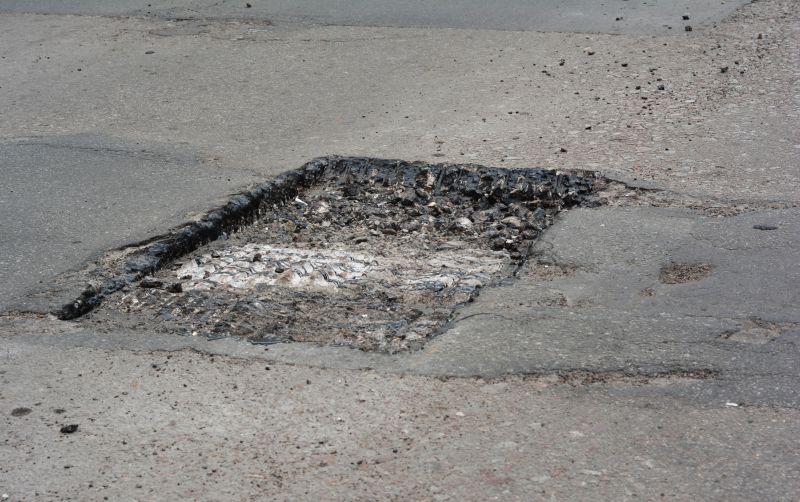
When comparing service providers for asphalt crack and pothole repair, it is beneficial to consider their experience with similar projects and understanding of how weather conditions affect asphalt deterioration. Contractors who have worked on properties with weather patterns comparable to the local climate are more likely to be familiar with the specific challenges posed by temperature fluctuations, moisture, and seasonal changes. This experience can translate into more effective repair strategies that address the unique ways weather influences the development of cracks and potholes, helping to ensure longer-lasting results.
Clear and detailed written expectations are essential when evaluating asphalt repair services. Reputable contractors should be able to provide a thorough explanation of the repair process, including how weather conditions might impact the timing and durability of the work. Understanding what to expect in terms of preparation, materials used, and potential weather-related considerations can help homeowners make informed decisions. Transparent communication about these aspects demonstrates professionalism and helps establish a mutual understanding of the scope and limitations of the repair project.
Lastly, seeking out reputable references and emphasizing good communication can make a significant difference in selecting a dependable service provider. Contractors with positive references from previous clients often have a track record of handling weather-related challenges effectively. Good communication ensures that homeowners can ask questions, express concerns, and receive updates throughout the project, which is especially important when weather conditions influence scheduling or work quality. Choosing a contractor who values clear, ongoing dialogue can lead to a smoother repair process and more satisfactory results.
Property owners often search for how weather conditions affect asphalt cracks and potholes when they are planning practical projects around their homes and businesses. Local pros provide Asphalt Cracks and Pothole Repair services for everyday jobs and straightforward project options.
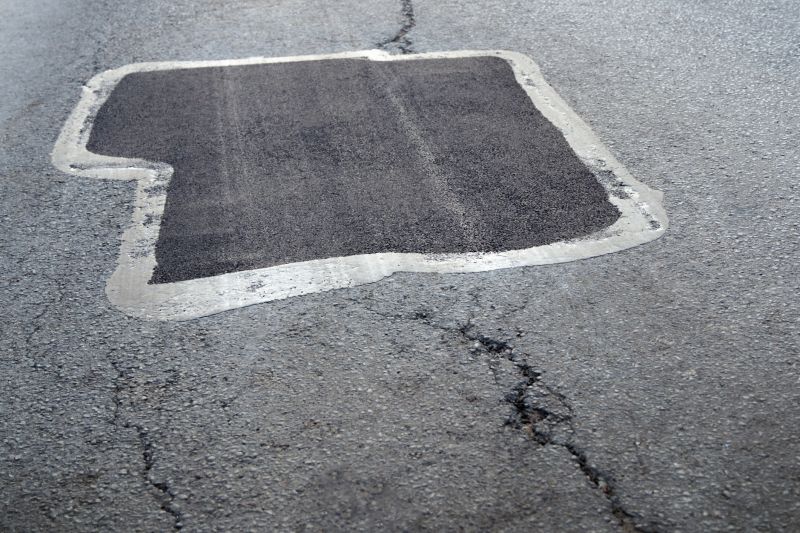
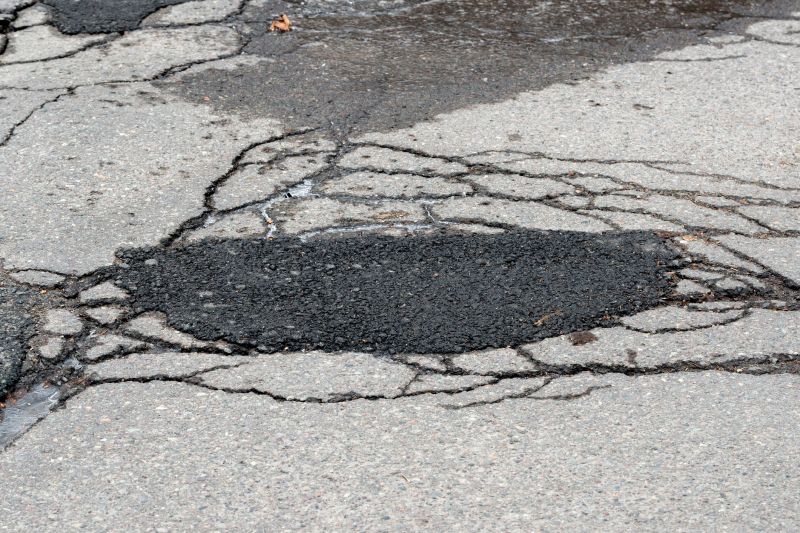
Weather conditions play a significant role in the development of asphalt cracks and potholes on driveways and roads. Fluctuations in temperature, especially frequent cycles of freezing and thawing, cause the asphalt to expand and contract. Over time, this repeated movement can lead to the formation of cracks, which may allow water to seep in and weaken the underlying pavement. Heavy rain or snow can exacerbate these issues by saturating the surface and promoting deterioration, making it essential for property owners to stay aware of how weather impacts their asphalt surfaces.
For those noticing signs of damage or seeking to prevent further deterioration, local contractors offer asphalt crack and pothole repair services tailored to weather-related issues. These professionals can assess the extent of the damage caused by fluctuating weather conditions and perform necessary repairs to restore pavement integrity. Addressing cracks and potholes early can help maintain the safety and appearance of a property, ensuring that weather-related wear does not lead to more costly repairs down the line.
How do temperature fluctuations influence asphalt cracks and potholes? Temperature changes cause asphalt to expand and contract, which can lead to the formation of cracks and the development of potholes. Local contractors can assess and repair damage caused by these fluctuations to prevent further deterioration.
In what ways does rain affect the condition of asphalt surfaces? Heavy rain can weaken asphalt by seeping into cracks and eroding the base layers, often resulting in pothole formation. Service providers can perform repairs to address water-related damage and reinforce the pavement.
How does snow and ice impact asphalt cracks and potholes? Snow and ice contribute to cracking through freeze-thaw cycles, which expand existing cracks and create new ones. Local asphalt repair experts can help by sealing cracks and filling potholes affected by winter weather.
Can weather conditions cause existing asphalt damage to worsen over time? Yes, ongoing exposure to weather elements like temperature shifts, moisture, and freeze-thaw cycles can exacerbate existing cracks and potholes. Professional repairs can help restore pavement integrity and prevent further damage.
What weather-related factors should prompt asphalt inspections and repairs? Significant temperature changes, heavy rainfall, and winter conditions are key indicators that asphalt may need inspection and maintenance. Local service providers can evaluate and address weather-related damage effectively.
Seasonal temperature changes - understanding how fluctuations between hot and cold weather can cause asphalt to expand and contract helps property owners plan for timely repairs with local contractors.
Moisture and drainage - managing water runoff and drainage issues can prevent water from seeping into cracks, reducing the risk of pothole formation, with help from local pros.
Freeze-thaw cycles - recognizing how repeated freezing and thawing can worsen existing cracks encourages property owners to seek professional sealing and patching services.
Weather forecasting awareness - staying informed about upcoming weather patterns allows property owners to schedule maintenance projects to minimize damage from severe weather conditions.
If you are thinking about how weather conditions affect asphalt cracks and potholes for a property, this guide is meant to help you understand this topic, the typical project types, and how different options might fit your plans.
When you are ready, you can use the quote form on this page to share a few details about your project. From there, local pros can review the basics and follow up with options that match what you have in mind.